
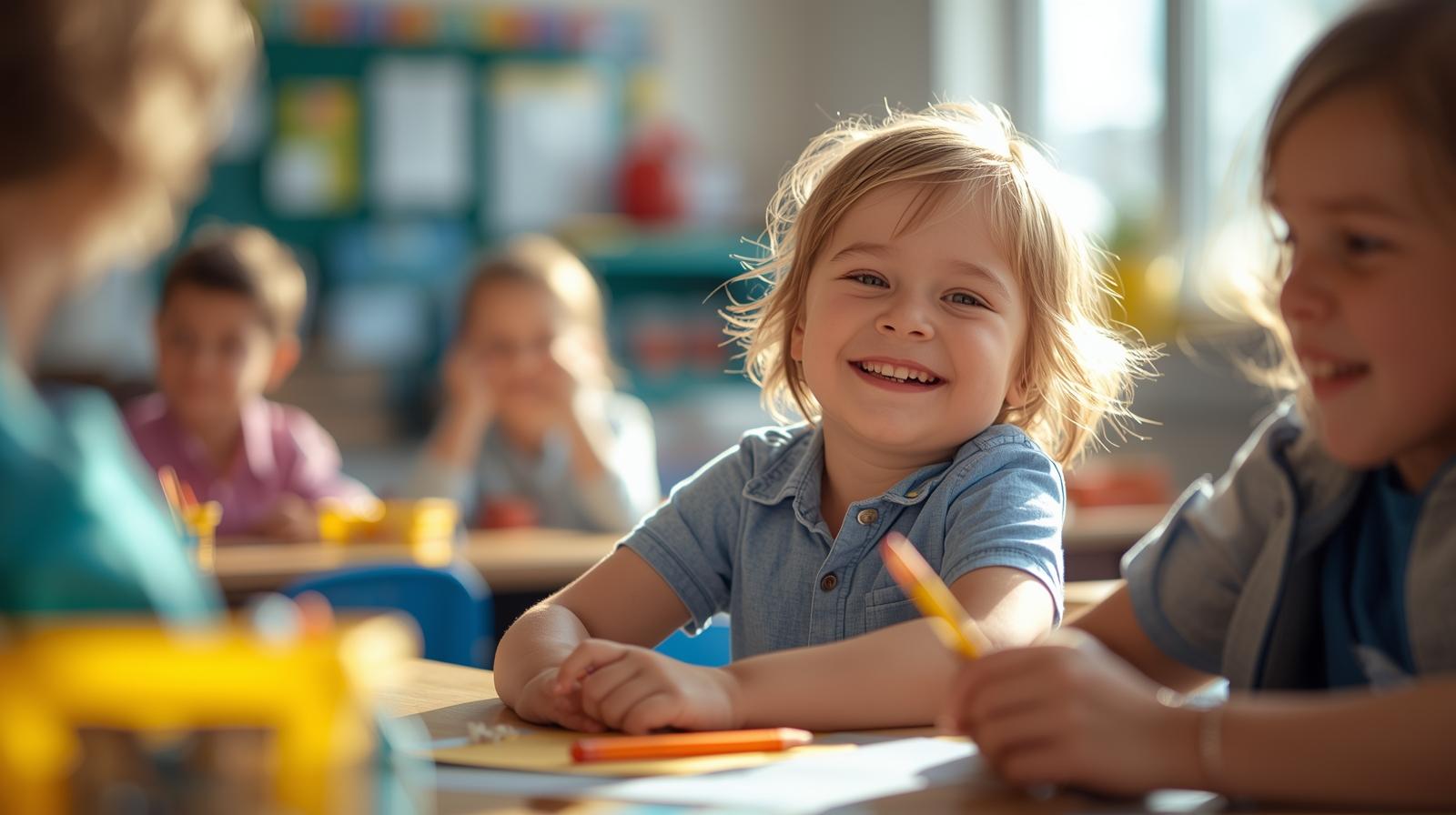
Starting a new school year or moving schools can be a big deal for any child — but for children whose parents are separated, these moments often carry extra emotion. The school gate becomes more than a drop-off point; it can represent the intersection of two homes, two routines, and sometimes two very different parenting styles. Helping children through this transition with calmness and care is one of the most meaningful things parents can do after separation.
At Kids In The Middle, I often meet parents who want to “get it right” for their kids but feel unsure where to start. The good news is that with communication, structure, and a child-focused mindset, school transitions can be smooth, empowering experiences for everyone involved.
Understanding What’s Beneath the Surface
When parents separate, children experience more than just logistical change — they feel a shift in belonging and identity. School is often their one constant, but even that can feel shaky when family life is unsettled.
Younger children might worry about who will collect them after school. Primary-aged kids may feel nervous about mentioning one parent to the other. Teens often internalise their worries, focusing on “fitting in” and trying not to draw attention to their family situation.
Australian data tells us that almost one in two marriages end in separation, and 43% of those separations involve children under 18. That’s thousands of children adjusting to two homes and new routines — and many of them doing so quietly, without being able to articulate how they feel.
For FIFO families, transitions can be particularly complex. When one parent is away on site for weeks at a time, handovers can overlap with emotional goodbyes or inconsistent routines. Children in these families often describe “missing time” with one parent or feeling like they live in two versions of normal. Awareness and planning are key.
Why School Matters So Much
Schools play a huge role in children’s sense of safety and identity. They offer familiarity, friendships, and routine — all of which help reduce the uncertainty that separation can bring. When schools are informed, they can make small but powerful adjustments: ensuring both parents receive updates, being sensitive about Mother’s Day and Father’s Day events, and keeping an eye on emotional wellbeing.
Teachers are often the first to notice when something isn’t quite right. A child who was once confident may suddenly become withdrawn or distracted. Early communication between home and school allows for gentle intervention before little worries become big ones.
Building Positive Connection with the School
Many parents hesitate to share details about their separation with the school, fearing judgement or over-involvement. But the truth is, schools appreciate honesty. A short, factual email or meeting outlining your situation can make a big difference. Include key information such as:
- Both parents’ contact details and communication preferences
- Who will collect the child on specific days
- Any new surnames or family structures the school should be aware of
- Any emotional triggers or sensitivities your child has
This helps the school support your child without making assumptions or placing them in awkward situations.
If communication between parents is strained, using neutral language like “We’d appreciate…” or “Our family is currently navigating change…” helps keep things child-centred and professional.
The Role of Routine and Predictability
Children thrive on rhythm and reliability. During separation, predictability becomes an anchor. Schools and home life can work together to strengthen that sense of stability.
Try establishing:
- Consistent school-day routines in both homes — similar bedtimes, homework times, and morning expectations.
- Shared visual planners or calendars that show which home they’ll be in each day.
- Duplicated essentials like uniforms, sports gear, and stationery, so children don’t have to worry about forgetting items between homes.
For FIFO families, recording bedtime stories or leaving written notes for the weeks apart can help children feel connected and reassured, no matter where they are.
It’s also important to maintain emotional routine. Small rituals — like a goodbye hug, a Friday night meal, or a regular video call — build emotional predictability even when life feels uncertain.
Communication Between Parents
No two co-parenting relationships look the same, but respectful communication is the backbone of every successful shared-care arrangement. Keep school-related conversations short, factual, and focused on the child. Avoid emotional or accusatory language — especially in writing.
When possible, use structured communication tools such as:
- Parenting apps (e.g., OurFamilyWizard,)
- Shared online calendars
- Email summaries for key school events
If tensions are high, use the school as a safe handover space or designate a trusted third party to assist with transitions. Neutral settings help children feel more at ease and keep focus where it belongs — on their education and wellbeing.
Supporting Children Emotionally
Change can stir up big feelings. Encourage your child to share their thoughts without pressure. You might ask, “What’s something you liked about school today?” or “Is there anything that felt tricky this week?”
For younger children, drawing or storytelling can help them express emotions they can’t yet name. Older children and teens often respond better to shared activities — going for a walk, cooking dinner, or chatting in the car.
Pay attention to signs of distress, such as school refusal, frequent stomach aches, or sudden drops in grades. These may signal that your child needs extra emotional support. Teachers, counsellors, and child consultants can work alongside families to create gentle, supportive interventions.
Working Together for the Child
The most successful transitions happen when parents and schools share a united purpose: helping the child feel secure and valued. Differences between households matter less when children know their parents and teachers are all part of the same team.
Sometimes this teamwork takes effort — extra emails, compromise, or rethinking routines — but the payoff is worth it. Children who feel supported through change develop stronger coping skills, empathy, and self-confidence.
A Final Thought
A smooth school transition isn’t about perfection; it’s about presence. When parents communicate, collaborate, and keep the child’s wellbeing front and centre, school becomes a safe, steady space for growth.
Separation changes many things, but it doesn’t have to disrupt a child’s sense of belonging. With care, routine, and open dialogue, children can thrive between two homes — and carry that resilience proudly into every classroom they walk into.
Kids In The Middle™ [2025]. Written by Leah Rando-Poller. Human-led content, professionally reviewed. General information only.