
When families separate, it’s not just parents who feel the weight of change — it’s the children who live in the middle of it all. Separation can turn their world upside down, leaving them feeling uncertain, confused, and even responsible for things far beyond their control. At Kids In The Middle, we see every day how children absorb the emotional climate of their parents, even when they don’t have the words to express it.
Seeing Separation Through a Child’s Eyes
For a child, separation is more than just two homes. It’s a change in their daily rhythm, their sense of safety, and the relationships that shape who they are. Younger children might become clingy or have trouble sleeping. School-aged children often worry about fairness or loyalty — “If I love Dad, will Mum be sad?” Teenagers might retreat, bottling things up while trying to protect everyone else.
In Australia, around one in five children live with a single parent after separation, and more than 43% of families rely on shared care arrangements. That means hundreds of thousands of Australian children are learning to adapt between two homes, routines, and emotional landscapes. For FIFO families, where a parent may already work away for weeks at a time, the separation experience can be even more complex — creating longer stretches between hugs, routines, and reassurance.
The Importance of Stability and Routine
Children thrive when they know what to expect. Familiar routines — the same bedtime rituals, school drop-offs, or weekend traditions — become emotional anchors. They signal safety. For separated parents, this means putting aside differences where possible to maintain consistency. Even small details, like keeping school bags in the same place in both homes or sharing updates about homework, can help children feel grounded.
At Kids In The Middle, we remind parents that stability doesn’t mean sameness. It means predictability. It’s okay if each home has its own personality — what matters most is that children know what to expect and who they can rely on.
Communication: The Heart of Connection
Open, honest, and age-appropriate communication helps children process what’s happening. Encourage them to share feelings without judgment or pressure. Listen more than you speak. Sometimes, what they need most isn’t an answer — it’s a safe space to be heard.
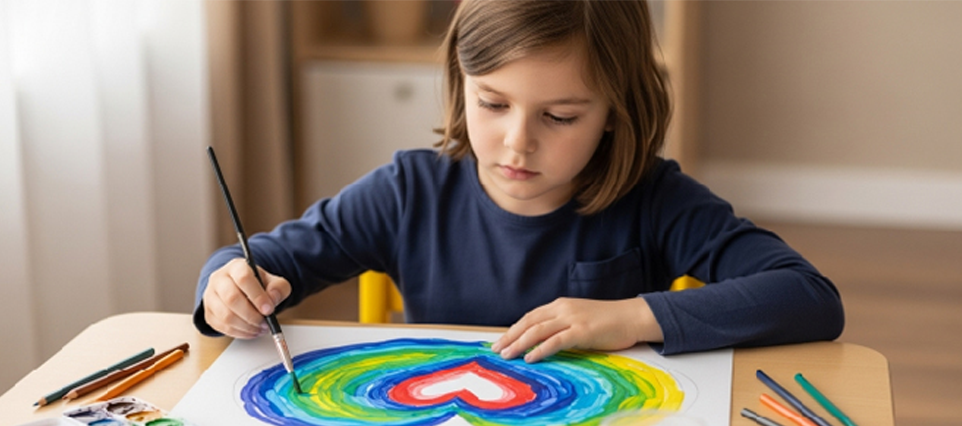
If your child struggles to talk, art, journaling, or play-based activities can open the door. A child consultant or therapist can gently guide these conversations to uncover the child’s feelings and unspoken worries. This child-inclusive approach ensures children’s voices are represented — not through pressure, but through understanding.
Taking Care of Yourself, Too
Children take emotional cues from the adults they trust. When they see their parents coping well, they feel safer. It’s okay to admit that this season is hard. Seek support — from friends, counsellors, or professionals who understand separation dynamics. Remember, caring for yourself is part of caring for your child.
Even small steps like mindful breathing, journaling, or talking through your emotions can prevent overwhelm. The calmer you are, the more your child will mirror that emotional steadiness.
Practical Tips for Parents
- Keep children out of adult conflict. Avoid speaking negatively about the other parent.
- Create shared rules for both homes where possible (bedtimes, screen time, routines).
- Give your child permission to love both parents. They shouldn’t feel torn or guilty.
- Inform schools about your family structure so teachers can offer support if needed.
- Seek neutral spaces for handovers, especially if tensions are high — schools, PCYC centres, or community hubs can be ideal.
A Safe Space for Children’s Voices
At Kids In The Middle, we believe every child deserves to feel seen, heard, and supported through change. Our child-inclusive consultations provide a gentle, neutral space for children to express what they’re feeling in a way that feels safe. This information is shared respectfully with parents and Family Dispute Resolution Practitioners (FDRPs), helping create parenting plans that truly reflect the child’s needs.
Final Thoughts
Separation doesn’t have to define a family’s story — it can reshape it. With understanding, structure, and support, children can emerge more resilient and secure. When parents commit to focusing on what’s best for their children rather than their differences, healing begins.
If you’re navigating separation and want to learn how to support your child’s emotional wellbeing, Kids In The Middle offers a free 30-minute consultation — online or in person — to help families start with understanding and end with hope.
Kids In The Middle™ [2025]. Written by Leah Rando-Poller. Human-led content, professionally reviewed. General information only.