
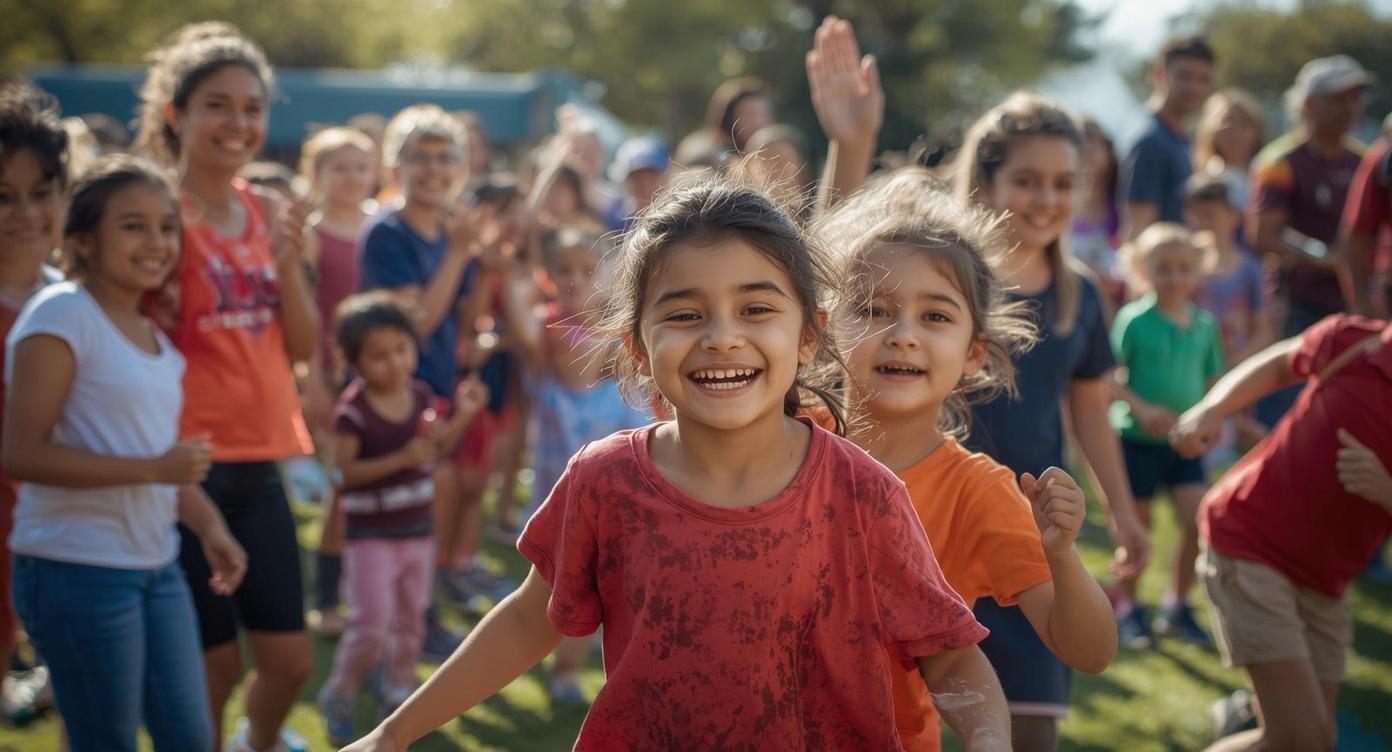
For most children, school events are moments of excitement — sports carnivals, assemblies, concerts, and Mother’s or Father’s Day celebrations. But for children whose parents are separated, these occasions can sometimes carry mixed emotions.
Behind every smile at the school gate, there can be a quiet swirl of anxiety about who will be there, how parents will act, or what might happen if both show up at the same time.
At Kids In The Middle, I see how powerful these moments can be — not just for children, but for families learning to navigate separation with care. These school events hold the potential to either reinforce a child’s sense of security, or to magnify their emotional stress. The way adults manage these occasions can make all the difference.
Seeing the Day Through a Child’s Eyes
From a child’s perspective, school events are deeply personal. They’re proud moments — ones they want to share with both parents if possible. But they can also bring worry:
- “What if Mum and Dad fight?”
- “Who do I sit with?”
- “What if someone feels left out?”
Younger children may struggle with divided attention, watching both parents from a distance. Older children often take on emotional responsibility, scanning the room to make sure everyone’s okay. This quiet tension can rob them of the simple joy of being celebrated.
When we understand this emotional backdrop, we can shift from reacting as adults to responding as a united parenting team — even if only for those few hours.
Planning Ahead
Preparation is the best prevention for stress. Where possible, communicate early about upcoming events.
Share school notices and invitations through your chosen communication channel — whether that’s a shared calendar, parenting app, or simple email.
Decide in advance how attendance will work. Will both parents attend together, or alternate events? Will one parent take photos and share them with the other? Discussing this before the day helps everyone know what to expect and avoids emotional surprises at the gate.
If the school has an event like Mother’s or Father’s Day and one parent is absent, let the teacher know so they can prepare alternatives — like helping your child make a card for a grandparent, aunt, uncle, or family friend. Many Australian schools are now adapting these events to be more inclusive, using terms like “Special Person’s Day,” which can be a gentle relief for children of separated families.
Showing Up Calmly and Respectfully
When both parents attend, the focus must remain on the child — not the past.
Arriving calmly, greeting each other politely, and maintaining neutral body language creates emotional safety. Even a nod or small smile can signal cooperation to a child watching from the stage or sports field.
Avoid discussing adult matters or bringing new partners into emotionally sensitive events until children are ready. Schools can be overwhelming spaces for young hearts already navigating change.
Remember: children are always watching. The way parents handle themselves in shared spaces becomes a live lesson in emotional maturity and respect.
For Schools and Teachers
Teachers play a vital role in easing these dynamics. A quick conversation before the event helps staff understand any sensitivities.
- Ensure both parents receive invitations and updates.
- Seat parents separately if needed, and discreetly brief supervising staff.
- Have a quiet plan ready for children who might become upset — a teacher aide, counsellor, or calm corner can make a huge difference.
Australian schools are becoming more aware of family diversity, but ongoing communication is key. The more teachers understand about the child’s emotional world, the better they can support inclusion and stability.
Managing Emotions After the Event
For many children, it’s not the event itself that causes distress — it’s the emotional “hangover” afterward. They might feel guilty for spending more time with one parent, or sad if someone couldn’t attend.
After the event, create space to talk. You could say:
- “You looked so proud up there — how did it feel having us both there?”
- “I know you missed Dad today. What part of the day did you enjoy most?”
Keep the focus on their feelings, not adult interpretations. Avoid questions like “Did Mum talk to anyone?” or “Was Dad with someone new?” These place unnecessary emotional pressure on children.
Special Considerations for FIFO and Long-Distance Families
For FIFO families, being away during important events can be heartbreaking for both parent and child. With some creativity, connection is still possible:
- Record a short video message for your child to watch on the day.
- Ask the teacher to take photos or let the child FaceTime the absent parent briefly.
- Create a “special event box” at home, where children can keep programs, photos, or awards to show later.
These small efforts tell children, “Even when I’m away, I’m part of your world.” That message brings comfort long after the applause fades.
Encouraging Emotional Independence
Over time, children learn that it’s okay to love both parents and enjoy these events without guilt. This emotional freedom grows when parents show kindness and composure, regardless of personal history.
If your child expresses loyalty conflicts — “I don’t want Mum to be sad if I hug Dad” — gently reassure them. Say, “It’s okay to love both of us. We both want you to be happy.”
Children need to see that love doesn’t have sides. When they experience that message repeatedly, anxiety fades and joy returns to the school hall.
Final Thoughts
School events and special days hold enormous emotional meaning for separated families. With planning, communication, and empathy, they can become opportunities to show children what cooperation looks like — even in challenging circumstances.
The real lesson children learn on these days isn’t just from the assembly stage or the classroom. It’s from the calm nod between their parents, the shared smile, the quiet pride that says: We may live in two homes, but we will always stand together for you.
Because when parents handle these moments with grace, children don’t just remember the event — they remember how deeply they were loved through it.
Kids In The Middle™ [2025]. Written by Leah Rando-Poller. Human-led content, professionally reviewed. General information only.